
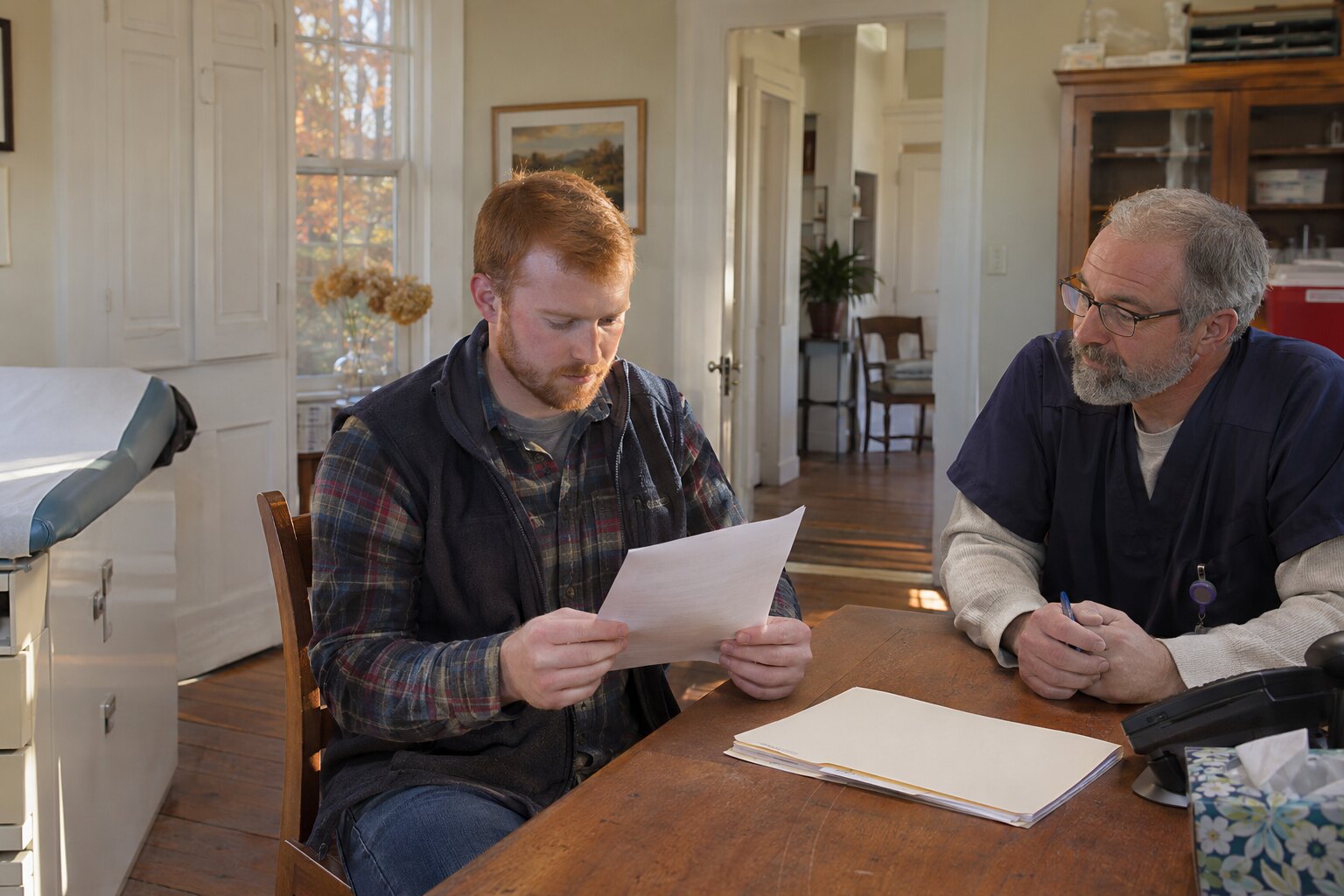
A price for rhinoplasty is easier to judge once you know the risks it sits beside. This page lists them and shows how to bring them into a conversation about a quote.
What the risk list covers
The American Society of Plastic Surgeons lists these rhinoplasty risks: anesthesia risks, change in skin sensation (numbness or pain), difficulty breathing, infection, poor wound healing or scarring, possibility of revisional surgery, skin discoloration and swelling, and unsatisfactory nasal appearance. It also notes that nasal septal perforation, a hole in the nasal septum, is rare.
Reading the list next to a quote
Read the list as an agenda for the consultation rather than as part of the price. Revisional surgery is on it, so ask whether the figure you were given says anything about it.
General descriptions to read alongside
The MedlinePlus entry on rhinoplasty describes the procedure in general terms. The Wikipedia article adds background, and Healthdirect Australia publishes its own page on rhinoplasty for comparison.
Where you have room to ask
Ask how each risk would be handled, and ask whether the quote is firm or a range. A firm number comes after an examination, not before it.
Confirm in writing
Get the scope of the quote in writing before you rely on it, including what it says about further surgery if that becomes necessary.